Weight Management and Chronic Disease
Practical nutrition support for prediabetes/diabetes, kidney disease, heart health and other long-term disease management.
Learn moreRegistered dietitians in Amarillo & Lubbock
Personalized, evidence-based counseling that helps you understand your body, build sustainable habits and feel more confident around food.
A grounded approach
We look beyond calories and quick fixes. Our registered dietitians listen closely, consider the whole picture and translate nutrition science into practical steps that fit your health, culture, preferences and everyday life.
Meet our team ↗How we can help
Support for different seasons, conditions and goals - always with an individualized plan.
Practical nutrition support for prediabetes/diabetes, kidney disease, heart health and other long-term disease management.
Learn moreCompassionate counseling designed to reduce fear, build trust and support a more peaceful relationship with food.
Learn moreSupport for healthy infant growth, weight management, food allergies and more. Our pediatric dietitians support children from 0-18 years old.
Lactation services available in Lubbock, Tx for poor weight gain, food allergies, etc.
Learn morePersonalized education, disease prevention and sustainable behavior change for lasting results.
Learn moreUnderstand your energy needs
$150
A breathing test that measures the oxygen you use and carbon dioxide you produce to estimate how many calories your body burns at rest. Your dietitian can use the results to personalize your nutrition plan.
Book a testNutrition support alongside treatment
As little as $150/mo
For medications and nutrition counseling.
Individualized nutrition support to help you meet your nutritional needs and build sustainable habits during GLP-1 treatment.
Apply for GLP-1 careSpecialty care with Rachel Hutto
Rachel provides connected care for menstrual health education, preconception/fertility nutrition, pregnancy/postpartum, infancy and the first 1,000 days through our specialty clinic Root & Bloom.
What to expect
Find a provider whose expertise and counseling style fit your needs.
We consider your health history, labs, lifestyle, food preferences and goals.
Leave with practical next steps and ongoing support that evolves with you.
Our team
Panhandle Nutrition Therapy was founded on a simple belief: everyone deserves access to personalized, evidence-based nutrition care. Our dietitians create a welcoming space where you can feel heard, supported and equipped to thrive.
Clarissa Orona RD, LD
Jayden Ybarra MS, RD, LD
Samantha Rodriguez MS, RD, LD
Rachel Hutto MS, RD, LD, SPN
Meet your dietitians
A little about the people you'll meet, so your first visit feels more familiar.
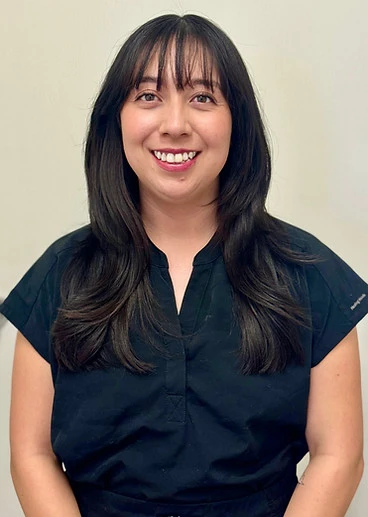
RD, LD
A little about me
Clarissa's interest in nutrition grew from her family history of diabetes, heart disease and obesity. She is passionate about diabetes and weight management, and focuses on listening, supporting her patients and helping them understand how nutrition affects their health. Her goal is to make food and diet changes feel positive and enjoyable.
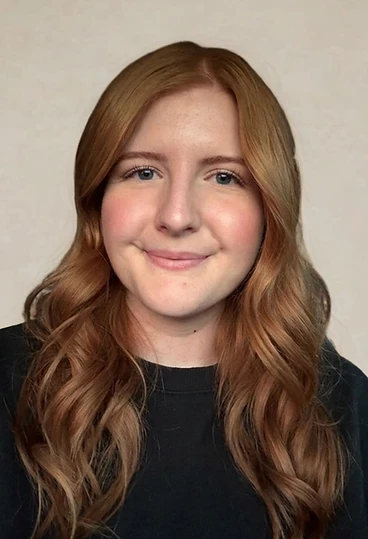
MS, RD, LD
A little about me
Jayden helps individuals and families build confidence, sustainable habits and a healthier relationship with food. She translates nutrition science into realistic steps that fit everyday life, without rigid rules or a focus on perfection. Her growing clinical interests include PCOS, preconception, pregnancy and family nutrition.
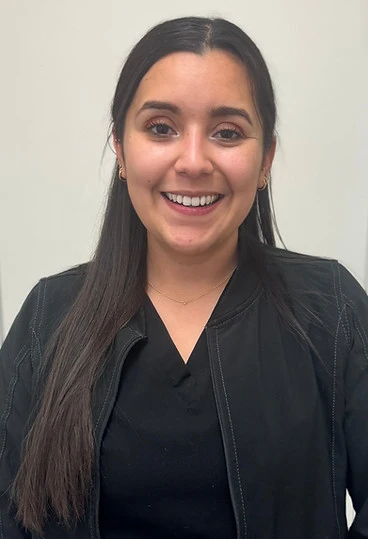
MS, RD, LD
A little about me
As a first-generation Latina dietitian, Samantha believes all foods fit—including cultural favorites such as tortillas, beans and rice. She works alongside patients to find an approach that meets their nutritional needs and lifestyle while removing fear around food. A graduate of Texas A&M and Texas Tech, she supports patients from infancy through older adulthood.
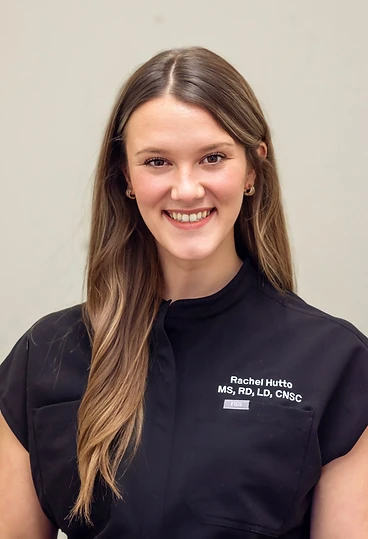
MS, RD, LD, SPN
A little about me
Rachel is the founder of Panhandle Nutrition Therapy and Root & Bloom. She supports women through preconception, pregnancy and postpartum with a food-first, personalized approach. With 10 years of dietitian experience and advanced prenatal nutrition training, she emphasizes education, shared decision-making and judgment-free care. Rachel welcomes patients through Root & Bloom.
Local care
Meet with a registered dietitian in Amarillo or Lubbock, with telehealth options for eligible clients across Texas.
01
02
03
Secure telehealth appointments may be available to clients throughout Texas, depending on service and coverage.
Check availability ↗Accessible care
Nutrition therapy may be covered by insurance depending on your plan and diagnosis. Self-pay nutrition therapy starts at $150 for an initial 60-minute visit and $65 for a 30-minute follow-up .
Coverage and pricing should be confirmed before your appointment. Root & Bloom specialty services may have separate pricing.
From the journal
Women’s health · 8 min read
A guide to diindolylmethane, its food sources, potential benefits, and considerations before using a supplement.
Read: DIM and Women’s Health: Food, Hormones and SupplementsPregnancy nutrition · 4 min read
How pregnancy changes blood sugar regulation, and nutrition and lifestyle strategies to support steady nourishment.
Read: Blood Sugar Balance During PregnancyBetween visits
Quick access to your supplement shop and electronic medical record.
Fullscript
Access Panhandle Nutrition Therapy's Fullscript shop. Ask your dietitian which supplements, if any, fit your individual needs.
Shop FullscriptHealthie
Visit Healthie to log in to your electronic medical record.
EMR loginCommon questions
Medical nutrition therapy uses individualized nutrition assessment, counseling and education to help prevent or manage health conditions. Your dietitian considers your history, lab work, medications, supplements, lifestyle and preferences.
Areas of care include diabetes and chronic conditions, pediatric and family nutrition, feeding and eating disorders, sports nutrition and general wellness. Women's, maternal and early-life specialty care is available with Rachel through Root & Bloom.
Coverage varies by plan and diagnosis. Contact the office before booking so the team can help you understand insurance and self-pay options.
Spanish-speaking nutrition care is listed among the practice's services. Contact the office to confirm current provider availability.
Ready when you are
Meet with a registered dietitian who listens, understands and helps you move forward.