


Creating a Safe Table for Kids During the Holidays
- Panhandle Nutrition Therapy

- Dec 16, 2025
- 3 min read
How avoiding food and body talk supports picky eaters and eating disorder recovery

The holidays often center around food—shared meals, special treats, and long-standing traditions. While these moments can be joyful, they can also be overwhelming for children, especially picky eaters and those struggling with eating disorders or disordered eating.
As parents and caregivers, the words we use around food and bodies shape how children experience the table. During the holidays, when food conversations are everywhere, being mindful of our language can help create a safer, more supportive environment for all kids.
Why food talk matters more than we think
Many common food-related comments are meant to be helpful or lighthearted: “Just try one bite.”
“That’s all you’re eating?”
“Save room for dessert.”
For children, these remarks can feel like pressure or judgment. Picky eaters often experience heightened anxiety around new foods, textures, and smells. When adults comment on their plates or intake, it can increase stress and make eating even harder—not easier.
For children and teens vulnerable to eating disorders, food talk can be especially triggering. Comments about portion size, appetite, or “balancing” food reinforce the idea that eating needs to be monitored or controlled, which can interfere with recovery and body trust.
The impact of body talk on kids
Children are always listening—even when we’re talking about ourselves. Statements like “I need to work this off,” “I’ve been bad today,” or “I ate too much” send the message that bodies are something to manage and food has moral value.
Over time, this kind of language can teach kids to disconnect from their hunger cues, feel guilt around eating, and believe that their worth is tied to how their body looks. Avoiding body talk during the holidays helps protect children from absorbing these harmful messages.
What kids actually need at the table
Children thrive when meals feel calm, predictable, and pressure-free. During holiday gatherings, support can look like:
Letting children decide what and how much to eat from what’s offered
Avoiding comments about portion sizes, appetite, or food choices
Skipping conversations about dieting, weight loss, or “earning” food
Trusting that repeated exposure—not pressure—builds comfort over time
If you’re hosting, including at least one familiar or “safe” food can help picky eaters feel more relaxed and included. This isn’t giving in—it’s creating a sense of security.
What to say instead (or not at all)
Sometimes the most supportive approach is saying nothing about food. When words are needed, neutral language helps.
Instead of:
“Just one bite”
“You barely ate”
“That’s not very healthy”
“I’ll regret this tomorrow”
Try:
“You don’t have to eat anything you don’t want to”
“All foods are welcome here”
“You’re the boss of your body”
Or simply change the subject
Removing commentary allows children to focus on listening to their bodies rather than managing adult expectations.
Shifting the focus back to connection
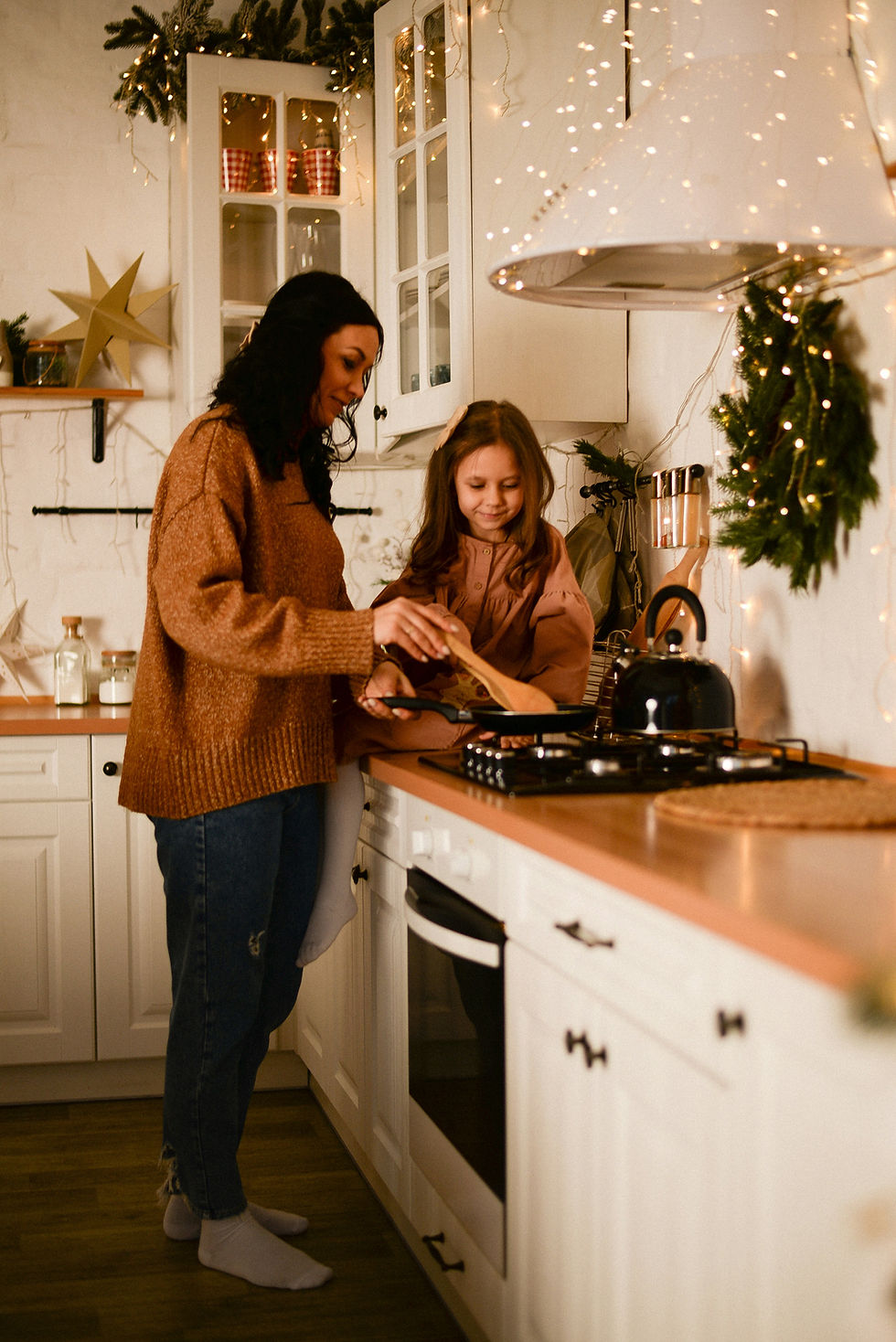
Holiday meals aren’t about perfect nutrition—they’re about togetherness. When children feel safe at the
table, they’re more likely to engage, participate, and build a healthier relationship with food over time.
You don’t have to get it right every time. Progress looks like noticing patterns, making small changes, and choosing compassion over control.
This season, let food be just food—and let the table be a place where all kids feel welcome.
Helpful resources for parents
National Eating Disorders Association (NEDA): Parent education and support for eating disordershttps://www.nationaleatingdisorders.org
Feeding Littles: Practical guidance for picky eating and pressure-free feedinghttps://feedinglittles.com
Ellyn Satter Institute: Evidence-based feeding support and Division of Responsibilityhttps://www.ellynsatterinstitute.org
ARFID Awareness & Support: Education and support for avoidant/restrictive food intake disorderhttps://www.arfidawarenessuk.org
Maudsley Parents: Resources for parents supporting eating disorder recoveryhttps://www.maudsleyparents.org


Comments